
blog
Are Polyurethane Mouldings Moisture Resistant?
Sep
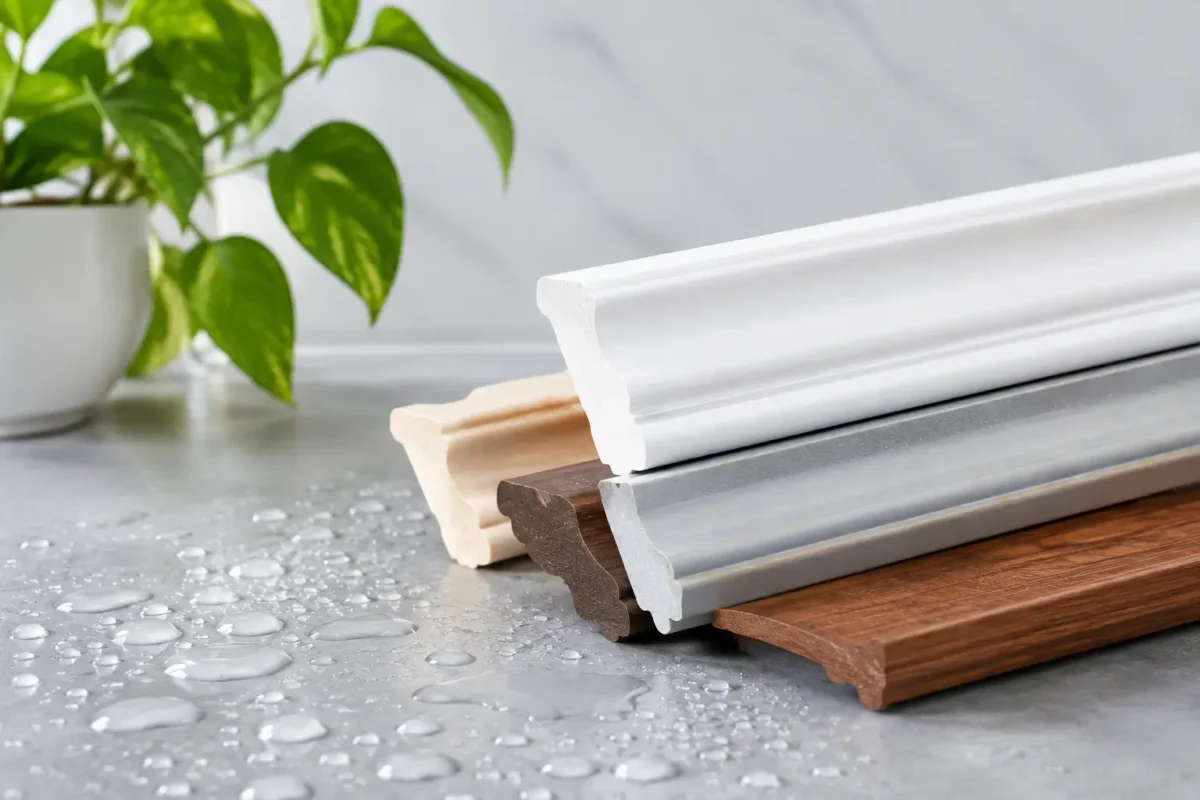
A warm bathroom, a busy kitchen and a freshly painted utility room all place more demand on decorative finishes than a dry bedroom. So, are polyurethane mouldings moisture resistant? Yes. Quality polyurethane mouldings are closed-cell, non-porous and highly resistant to moisture, making them a far more dependable choice than traditional plaster or MDF in humid interior spaces.
That does not mean every installation can be treated in exactly the same way. The profile, the surface behind it, the adhesive used and the amount of direct water exposure all matter. Choose the right moulding and fitting method, however, and polyurethane coving, skirting and wall details can keep their crisp appearance in rooms where other materials may swell, soften or deteriorate.
Why polyurethane handles moisture well
Polyurethane decorative mouldings are manufactured from a high-density polymer foam with a closed-cell structure. Unlike absorbent materials, it does not readily take in moisture from damp air, steam or the occasional splash. It will not rot, and it is not prone to the cracking associated with plaster becoming repeatedly damp and dry.
This is particularly useful in British homes, where condensation can be a recurring issue around external walls, poorly ventilated bathrooms and kitchen ceilings. A polyurethane cornice does not absorb that moisture in the same way as plaster coving. Polyurethane skirting also avoids the edge swelling and surface breakdown often seen with standard MDF skirting after water reaches an unsealed joint or cut end.
The material is also lightweight and stable. It can be cut accurately, bonded in place and painted to suit the room, without introducing the handling difficulties of heavy plaster sections. For renovation work, that combination of decorative detail and practical resilience is a significant advantage.
Are polyurethane mouldings moisture resistant in bathrooms?
Yes, polyurethane mouldings are well suited to most bathroom applications. Ceiling coving, cornice, wall panelling details, skirting and door surrounds can all be used successfully in a bathroom, provided they are installed onto a sound, dry substrate and finished correctly.
The distinction to make is between a humid room and a permanently wet area. Steam from showers and baths is not usually a problem for polyurethane. Direct, constant water contact is a different situation. A moulding fitted outside a shower enclosure or around a bathroom ceiling is a sensible application; a decorative profile used inside a shower should only be considered where the full wall system, waterproofing specification and sealants are designed for that exposure.
Ventilation still matters. Moisture-resistant mouldings do not solve underlying condensation, leaks or mould growth on walls and ceilings. If the room has poor extraction, a leaking shower tray or damaged grout, address those issues before fitting decorative finishes. The best result comes from a dry, prepared surface and a bathroom that can clear humid air effectively.
Paint and seal the finished installation
Most premium polyurethane mouldings arrive pre-primed, ready for a final coat of paint. In bathrooms and kitchens, a quality moisture-resistant paint provides an additional protective finish and helps the moulding blend cleanly with the surrounding wall or ceiling.
Pay close attention to joints, mitres and cut ends. Although the moulding itself is moisture resistant, gaps can allow water or steam to reach the substrate behind it. Use the recommended adhesive and joint filler, clean away excess material while wet, then sand and paint once cured. Where a profile meets a tiled splashback, bath panel or another area exposed to splashes, use an appropriate flexible sealant at the perimeter where required.
Kitchens, utility rooms and other humid spaces
Kitchens are an excellent setting for polyurethane coving and cornice. Cooking steam, grease in the air and regular cleaning can be hard on porous decorative finishes, particularly above cabinets or around extractor routes. A properly painted polyurethane profile is easy to wipe down and will not absorb kitchen humidity.
Utility rooms and cloakrooms offer similar benefits. These smaller rooms can experience rapid changes in temperature and humidity, especially where a tumble dryer, washing machine or drying laundry is present. Decorative skirting, ceiling mouldings and wall details retain their shape far better than materials that rely on an exposed fibreboard core or absorbent plaster surface.
For commercial interiors, the same principle applies. Changing rooms, hotel bathrooms, spa reception areas and washroom corridors can benefit from lightweight mouldings that are durable, cleanable and straightforward for installers to handle. Specify the finish around the practical use of the space, rather than choosing a profile on appearance alone.
Moisture resistance is not the same as waterproofing
This is the key trade-off. Polyurethane has excellent moisture resistance, but the complete installation is only as reliable as its weakest point. The wall or ceiling may be plasterboard, plaster, timber, masonry or tile-backed board, and each substrate responds differently to water.
If a wall has ongoing damp penetration, fitting a moisture-resistant moulding over it merely conceals the problem for a time. The adhesive bond can fail if the background is friable, contaminated or continuously wet. Likewise, an unsealed opening at a joint can compromise an otherwise neat installation.
For normal domestic humidity and occasional splashes, polyurethane is an excellent choice. For areas with standing water, high-pressure cleaning or continuous direct spray, seek a project-specific waterproofing specification. This is especially relevant in wet rooms, commercial showers and poolside environments.
Fitting polyurethane mouldings for lasting results
Good preparation is what turns a moisture-resistant material into a long-lasting finish. Walls and ceilings should be clean, sound, dry and free from loose paint, dust, wallpaper residue or surface grease. Repair cracks and uneven areas before installation, as adhesive is not a substitute for a stable background.
Use an adhesive suited to polyurethane mouldings and the surface being bonded. For larger cornice profiles or uneven walls, the correct high-grab adhesive supports secure positioning while it cures. Joint adhesive is equally important on mitres and straight joins: it creates a stronger connection between moulding lengths and helps prevent visible movement over time.
Allow adhesives and fillers to cure fully before painting. Once the room is finished, avoid trapping moisture around the profile with thick, poorly applied sealant. A neat, continuous finish is better than an oversized bead that collects dust or looks out of proportion to the moulding.
When working in a bathroom, it is worth allowing the room to dry after showers and ensuring extractor fans are working before beginning. Fitters should not bond mouldings to cold, damp surfaces simply because they feel dry to the touch. A little preparation prevents later problems with adhesion.
Polyurethane compared with plaster and MDF
Traditional plaster remains a beautiful material for heritage work and can be appropriate where an exact restoration profile is needed. Yet it is heavy, brittle and more vulnerable to repeated damp exposure. It also requires more careful handling, often needs mechanical fixing, and can be less convenient for a typical refurbishment programme.
MDF is widely used for painted skirting and wall panelling because it is economical and easy to machine. Its limitation is moisture. Even moisture-resistant MDF is not invulnerable, particularly at cut edges, joints and areas where water can sit. In a bathroom or utility room, polyurethane provides greater confidence where moisture exposure is likely.
Polyurethane mouldings offer a practical middle ground for homeowners and trade professionals: sharply defined decorative profiles, a lightweight installation and strong resistance to the humidity found in everyday interiors. Orac Decor polyurethane ranges are designed with exactly these practical demands in mind, while retaining the finish expected in premium residential and commercial schemes.
Choosing the right profile for the room
A moisture-resistant material should still suit the scale and purpose of the space. In a compact bathroom, a slim coving profile or simple skirting detail can sharpen the finish without making the room feel crowded. Larger bathrooms, hallways and kitchen-diners can take deeper cornice profiles or integrated LED mouldings where the lighting plan and ceiling height allow.
Consider maintenance as well as style. Smooth, simply shaped profiles are easier to paint and wipe clean in kitchens and busy family bathrooms. More ornate mouldings work well where they complement existing period features, but they may require more care when repainting.
If you are unsure whether a particular profile is suitable for a humid room, assess the exact location first: ceiling perimeter, wall panelling feature, skirting line, splash zone or fully tiled wet area. That practical decision will guide the right material, adhesive and finish.
A well-fitted polyurethane moulding gives you the freedom to add lasting architectural detail where humidity would make plaster or MDF a less comfortable choice. Prepare the background properly, protect the joints and choose a finish suited to the room, and the result will remain clean, secure and convincing for years to come.
