

blog
What Is Cornice Moulding in Interior Design?
Jul
Stand in any room with a bare ceiling line and you can usually spot what is missing. The join between wall and ceiling often looks abrupt, especially in older homes where decorative detail would once have softened the transition. That is where cornice moulding comes in.
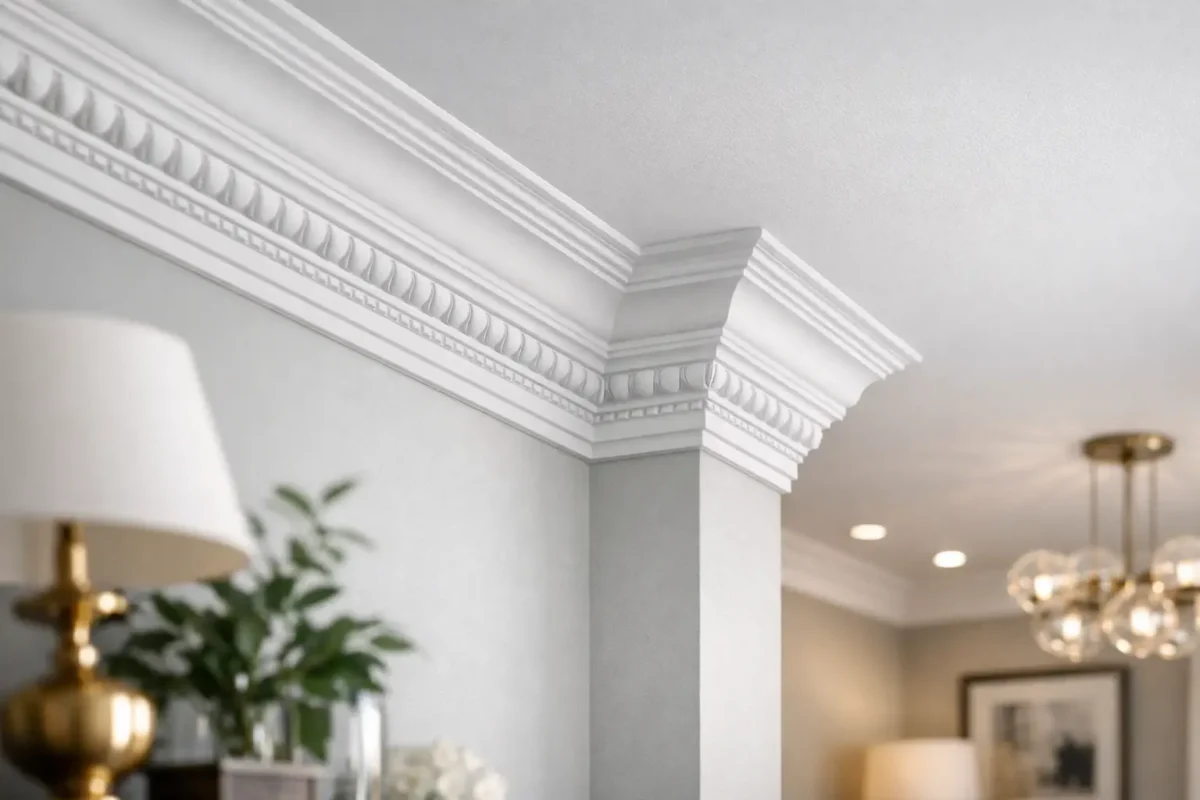
So, what is coving / cornice moulding? In simple terms, it is a decorative profile fitted where the wall meets the ceiling. It adds shape, shadow and architectural character to a room, while also helping to disguise minor cracks, uneven plaster and untidy junctions. Depending on the style you choose, coving / cornice can look traditional and ornate or clean and contemporary.
For many UK homeowners, renovators and decorators, coving / cornice moulding sits somewhere between a design upgrade and a practical finishing solution. It is not just there to look impressive. It also helps create a more complete, polished interior, whether you are restoring a period property, upgrading a new build or adding detail to a commercial fit-out.
What is coving / cornice moulding used for?
Cornice / coving moulding is primarily used to improve the line where the ceiling and wall meet. Without it, that transition can feel plain or unfinished. With the right profile in place, the room gains depth and a stronger sense of design.
In practical terms, coving / cornice can cover small surface imperfections, slight movement cracks and uneven finishing work at the ceiling edge. That makes it popular not only for decorative schemes, but also for renovation projects where walls and ceilings are not perfectly straight. In this sense, it solves two problems at once – appearance and finish quality.
It also changes the proportions of a room. A deeper, more detailed coving / cornice can make a ceiling feel grander. A slimmer profile can sharpen up a modern interior without making it look fussy. If you choose an LED coving / cornice, it can even introduce indirect lighting and create a softer atmosphere.
Cornice vs coving – what is the difference?
This is one of the most common points of confusion. The terms are often used interchangeably, and in everyday conversation many people refer to any ceiling moulding as coving. Strictly speaking, there is a difference.
Coving usually describes a simpler, more uniform profile, often with a smooth concave curve. It is generally more understated and works well in modern homes or straightforward refurbishments.
Cornice moulding is usually more decorative and more detailed. It may include stepped shapes, leaf patterns, linear features or classical styling. Traditional cornice tends to project further into the room and make more of a design statement.
That said, the line between the two is not always rigid, especially in retail categories. Many customers search for coving when they actually want cornice, and vice versa. The best way to choose is not to worry too much about the label. Focus instead on the profile, projection, drop and overall effect you want in the room.
What styles of cornice moulding are available?
Cornice moulding covers a wide range of looks. In period interiors, you will often see ornate profiles inspired by Victorian, Georgian or Edwardian architecture. These designs may include layered curves, dentil detailing or decorative motifs that pair well with ceiling roses, panel mouldings and other formal features.
In more modern settings, cornice can be far cleaner. Linear, stepped and minimalist profiles are popular in contemporary houses, flats and commercial spaces because they add definition without overwhelming the room. They also work well with concealed LED lighting, which is increasingly popular in kitchens, lounges and bedrooms.
Room size matters here. A large room with high ceilings can carry a bold cornice that would feel oversized in a smaller space. In tighter rooms, a simple or medium-sized profile is often the better choice. It still adds character, but keeps the proportions balanced.
What materials is cornice moulding made from?
Traditionally, cornice was made from plaster. Plaster still has its place, particularly on heritage projects or where original details are being repaired and matched. It offers an authentic, solid finish, but it is heavier, more fragile in transit and installation, and generally more labour-intensive to fit.
For most modern renovation and decorating projects, lightweight polyurethane has become a more practical option. It gives you a crisp, high-quality profile with far easier handling on site. It is also durable, moisture-resistant and supplied ready for painting, which makes it suitable for everything from living rooms and hallways to kitchens and bathrooms.
This is one of the biggest reasons many installers and DIY customers now favour premium lightweight mouldings. You still get the decorative impact associated with traditional cornice, but with fewer complications during fitting. For trade buyers, that can mean faster installation and more predictable results. For homeowners, it often means a more achievable upgrade without the drawbacks of plaster.
Is cornice moulding still in style?
Yes, but the answer depends on the style of property and the profile you choose. Cornice moulding has never really disappeared. What has changed is the way people use it.
In period homes, cornice is often used to restore lost character and bring rooms back into keeping with the age of the building. In newer homes, it is increasingly used to add architectural interest where standard finishes can feel flat or generic. Even very simple cornice profiles can make a room look more considered.
The strongest trend in recent years has been versatility. Cornice is no longer limited to ornate traditional interiors. Contemporary profiles, shadow-line effects and LED-compatible mouldings have made it relevant in modern schemes as well. The key is choosing a design that suits the room rather than forcing a period look where it does not belong.
How do you choose the right cornice moulding?
Start with the room itself. Ceiling height, wall length, natural light and existing features all affect what will work. A tall reception room can handle a deeper projection and more decorative detail. A standard bedroom or box room may look better with a smaller profile that adds finish without dominating the space.
Next, think about the rest of the interior. If you already have skirting boards, architraves, ceiling roses or wall panelling, the cornice should feel related to those details. It does not need to match exactly, but it should sit comfortably alongside them.
Then consider installation. Some profiles are more forgiving than others, particularly in rooms with uneven walls or awkward corners. Lightweight products are often easier to cut, bond and handle, which matters whether you are fitting it yourself or working to a schedule on site.
Finally, be realistic about the result you want. If your aim is subtle improvement, a clean profile may do the job better than an ornate one. If you want a statement finish, especially in hallways, dining rooms or commercial reception spaces, a bolder cornice can transform the feel of the room.
What is cornice moulding installation like?
Installation is one area where product choice matters a great deal. Traditional plaster cornice can require specialist handling, mechanical fixing and more involved preparation. It can produce excellent results, but it is not always the most practical route for everyday domestic projects.
Lightweight polyurethane cornice is much easier to work with. It is typically fixed using dedicated adhesives, cut with the right tools and installed with far less strain on ceilings and walls. Because the material is lighter and more stable, it is often a better fit for straightforward refurbishment work and for installers who need efficiency without compromising on finish.
As with any moulding, success comes down to good measuring, accurate mitres and proper adhesive use. The better the prep, the cleaner the result. That is why specialist suppliers such as Coving.Online focus not just on the mouldings themselves, but also on the adhesives, tools and installation guidance needed to get a professional finish.
Is cornice moulding worth it?
If a room feels plain, unfinished or slightly awkward at the ceiling line, cornice moulding can make a bigger difference than many people expect. It adds detail, improves transitions and gives the space a more deliberate, high-quality finish. In renovation projects, it can also help bridge the gap between old character and new decoration.
It is not the right choice for every room. Some very minimal interiors are better left crisp and bare. Some low ceilings can feel more compressed if the profile is too deep. But in many homes and commercial interiors, the right cornice brings structure and style without major building work.
If you are weighing up whether to use it, think less about trends and more about finish. Good cornice moulding does not feel like an extra. It feels like the room should always have had it.
